Intro
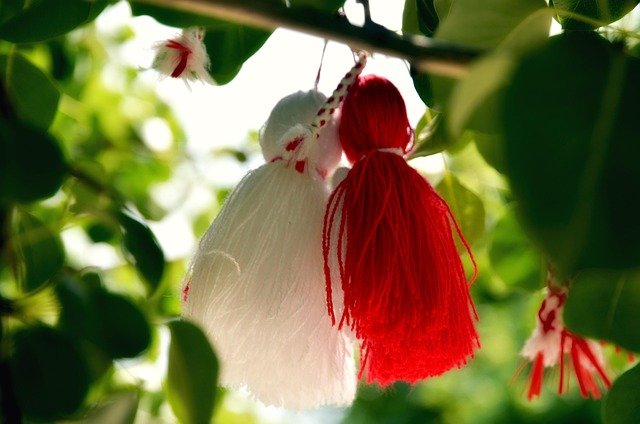
Baba Marta Day is a vibrant and deeply symbolic traditional celebration marking the joyful arrival of spring, observed annually on March 1. Primarily celebrated in Bulgaria, this unique cultural event is also honored in North Macedonia, Romania, Moldova, and parts of Greece, connecting communities across the Balkans with rituals of renewal, health, and prosperity. Also widely known as Martenitsa Day, the festival centers on the iconic exchange and wearing of Martenitsas—handmade adornments of red and white threads that serve as powerful amulets against illness and harbingers of good fortune for the coming year.
Rooted in ancient pagan mythology and centuries-old folklore, Baba Marta Day is more than a seasonal change; it is a profound expression of cultural heritage and communal bonding. The figure of Baba Marta (Grandmother March), a capricious deity who controls the late winter weather, embodies the unpredictable transition from the cold, dark days to the warmth and light of spring. By participating in the tradition, people engage with a living narrative that weaves together themes of hope, protection, and the eternal cycle of nature.
This comprehensive guide explores everything you need to know about Baba Marta Day: its origins and mythology, the meaning behind the red and white Martenitsa, modern-day customs and practices, and where you can experience this authentic Balkan tradition. Whether you’re exploring your heritage, planning a cultural trip in early March, or seeking unique global traditions, understanding Baba Marta Day offers a fascinating glimpse into a resilient and joyful celebration that continues to thrive in the contemporary world. Discover how a simple thread bracelet transforms into a universal symbol of good luck, health, and the enduring human connection to the changing seasons.
What Is Baba Marta Day? An Introduction to Spring’s Arrival in the Balkans.
Baba Marta Day is a vibrant and ancient folk celebration that heralds the beginning of spring on the first of March. Observed with great affection across Bulgaria and neighboring Balkan nations, this day is dedicated to welcoming the awakening of nature after the long winter slumber. The heart of the celebration lies in its name and the powerful, capricious figure it represents.
The Legend of Baba Marta: Grandmother March
The festival is named after the folkloric persona “Baba Marta”, which translates directly to “Grandmother March.” She is not merely a month but a living, anthropomorphic character from Slavic mythology, often depicted as a frail, elderly yet powerful woman who holds sway over the final weeks of winter and the onset of spring.
- Her Mood Dictates the Weather: The central belief is that Baba Marta’s temperament directly controls the early March weather. Her emotions are as changeable as the season itself.
- A Happy Baba Marta brings warm, sunny days, melting the last of the snow and coaxing the first blossoms to open.
- An Angry Baba Marta sends back cold winds, frost, and sudden snowfalls, reminding everyone that winter has not fully released its grip
The Ritual of the Martenitsa: A Symbol of Hope and Protection
To navigate this unpredictable transition and to court Baba Marta’s favor, people engage in a beautiful, unifying ritual: the creation, gifting, and wearing of a Martenitsa (мартеница).
These are handmade adornments, most commonly bracelets or small pin-on figures (pizho and penda),crafted from red and white woolen threads. They are worn from March 1st until the wearer spots a tangible sign of spring’s victory: a blossoming tree, a returning stork, or a swallow.
- A Sign of Respect and Hope: By donning the Martenitsa, people show respect to Baba Marta and express their heartfelt hope for her good mood, which in turn brings health, fertility, and a prosperous season.
- A Powerful Talisman: Beyond pleasing Baba Marta, the Martenitsa itself is considered a potent amulet for protection. It is believed to safeguard the wearer from illness, evil spirits, and misfortune, ensuring vitality and good luck as the new life cycle begins.
- The Colors’ Meaning: The red and white colors are deeply symbolic. Red represents life, blood, sun, and passion, while white symbolizes purity, happiness, snow, and light. Together, they embody the balance and dynamic tension of the season, the lingering cold versus the emerging warmth, the end of one cycle and the beginning of the next.
In essence, Baba Marta Day is a profound cultural practice that connects communities to the rhythms of nature through storytelling, shared ritual, and a collective yearning for renewal. It transforms the uncertain weather of early spring into a participatory drama, where every person, by wearing their Martenitsa, plays a part in welcoming the sun.
The Legend of Baba Marta: The Capricious Herald of Spring
At the core of Baba Marta Day lies a rich tapestry of folklore centered on its namesake, a powerful and enigmatic figure who is far more than just a month on the calendar. Baba Marta is a deeply personified force of nature, a character who breathes life into the volatile transition from winter to spring.
The Persona of Grandmother March
In Bulgarian and Balkan folklore, Baba Marta is consistently depicted as an elderly woman with a formidable and complex character. Her portrayal captures the very essence of early spring:
- Strong-Willed and Authoritative: She commands the weather, a matriarchal figure whose decisions are final.
- Inherently Moody and Unpredictable: Her temper can shift as suddenly as a March sun shower turns to snow, mirroring the season’s famous volatility.
- Ultimately Fair and Life-Giving: Beneath her stern exterior lies a fundamental sense of justice. Her ultimate goal is not to prolong winter’s misery but to assert order and finally usher in renewal.
This direct connection between her emotional state and the day’s weather, sunshine for a smile, storms for her anger, makes the tradition deeply interactive. Wearing a Martenitsa becomes an act of communal empathy, an attempt to soothe her temper and encourage her benevolent side.
The Family Drama of the Seasons
One of the most popular and enduring legends provides a familial framework for the changing seasons. In this story, Baba Marta is the sister of two brothers who personify the depths of winter:
- Big Sechko (January): Representing the peak of winter’s harshness, with long nights and deep cold.
- Little Sechko (February): The lingering, often deceptive tail end of winter, which can still be fierce.
The legend tells of how the two brothers, often portrayed as lazy, mischievous, or overbearing, would lounge by the fire, creating mess and disorder in Baba Marta’s home. Their presence symbolizes winter’s lingering grip. Finally, Baba Marta’s patience wears thin. Tired of their chaos and the barren landscape they represent, she asserts her authority, chases them away, and begins to clean house. This “cleaning” is manifested as the spring rains and winds that wash away the last of winter, while her subsequent good mood allows the sun to warm the earth, letting flowers bloom and life return.
A Symbol of Nature’s Reawakening
This personification serves a profound cultural purpose. It transforms unpredictable, often frustrating weather into a relatable narrative. A sudden late snowstorm isn’t just bad luck; it’s “Baba Marta showing her anger.” A warm, sunny day is a gift from a pleased grandmother. This framing creates a sense of participation and understanding with the natural world.
Baba Marta, therefore, is not a fearsome witch but a demanding yet caring ancestor figure. She tests resilience with her last chills but ultimately rewards patience and hope with the greatest gift: the rebirth of spring. The ritual of the Martenitsa is a thread connecting modern people to this ancient story, a shared agreement to respect nature’s power and joyfully anticipate its bounty.
The Meaning of the Martenitsa: More Than Just Red and White Threads
The Martenitsa is the universal symbol and tangible heart of Baba Marta Day. Far more than a simple piece of folk art, it is a potent talisman, a social connector, and a poetic expression of the season’s transition. Its creation, gifting, and wearing are ritual acts steeped in meaning, intended to influence fortune and harmonize with the awakening world.
What Is a Martenitsa?
A Martenitsa is a handmade amulet and ornament, traditionally crafted from twisted or woven red and white woolen threads. The act of giving it is as important as wearing it. On March 1st, people exchange Martenitsas with friends, family, colleagues, and loved ones as a gesture of goodwill, care, and shared hope for the coming spring.
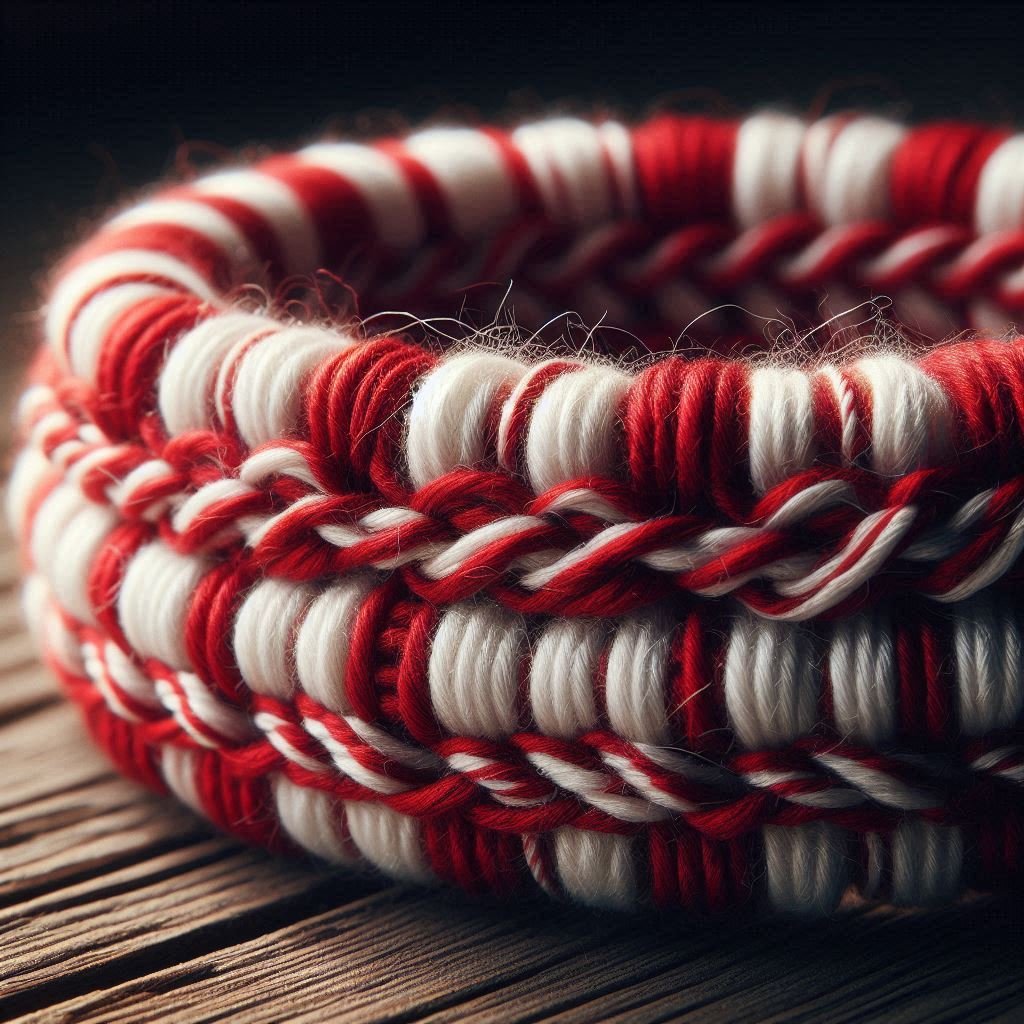
These adornments take many forms, each with its own charm:
- Bracelets or Necklaces: The most common personal items, tied onto the wrist or neck.
- Brooches or Pins: Worn on clothing, near the heart.
- Tassels or Pompoms: Used to decorate homes, bags, or even car mirrors.
- Figurines: The most iconic are the paired “Pizho and Penda“—a small white doll (Pizho) and a red doll (Penda), representing male and female principles, health, and fertility.
The Profound Symbolism of the Colors
The unchanging red and white palette is the language of the Martenitsa. Each color carries a universe of meaning, and together they tell the complete story of the moment.
- Red (Червено / Cherveno):
- Symbolizes: Life, blood, the rising sun, health, and passion.
- Represents: Fertility, strength, courage, and the fiery energy of awakening nature.
- It is the color of vitality, the force that breaks winter’s dormancy.
- White (Бяло / Byalo):
- Symbolizes: Purity, light, wisdom, and peace.
- Represents: The melting snow, the clear sky, new beginnings, and spiritual balance.
- It is the color of clarity, the blank canvas upon which spring will paint its new life.
Together, their intertwining is a profound expression of harmony and cyclical balance: the union of life force (red) and spirit (white), the struggle and resolution between winter’s last stand (white snow) and spring’s victory (red sun), and the hope for a healthy body and a peaceful soul in the year ahead.
The Ritual of Wearing and “Release”
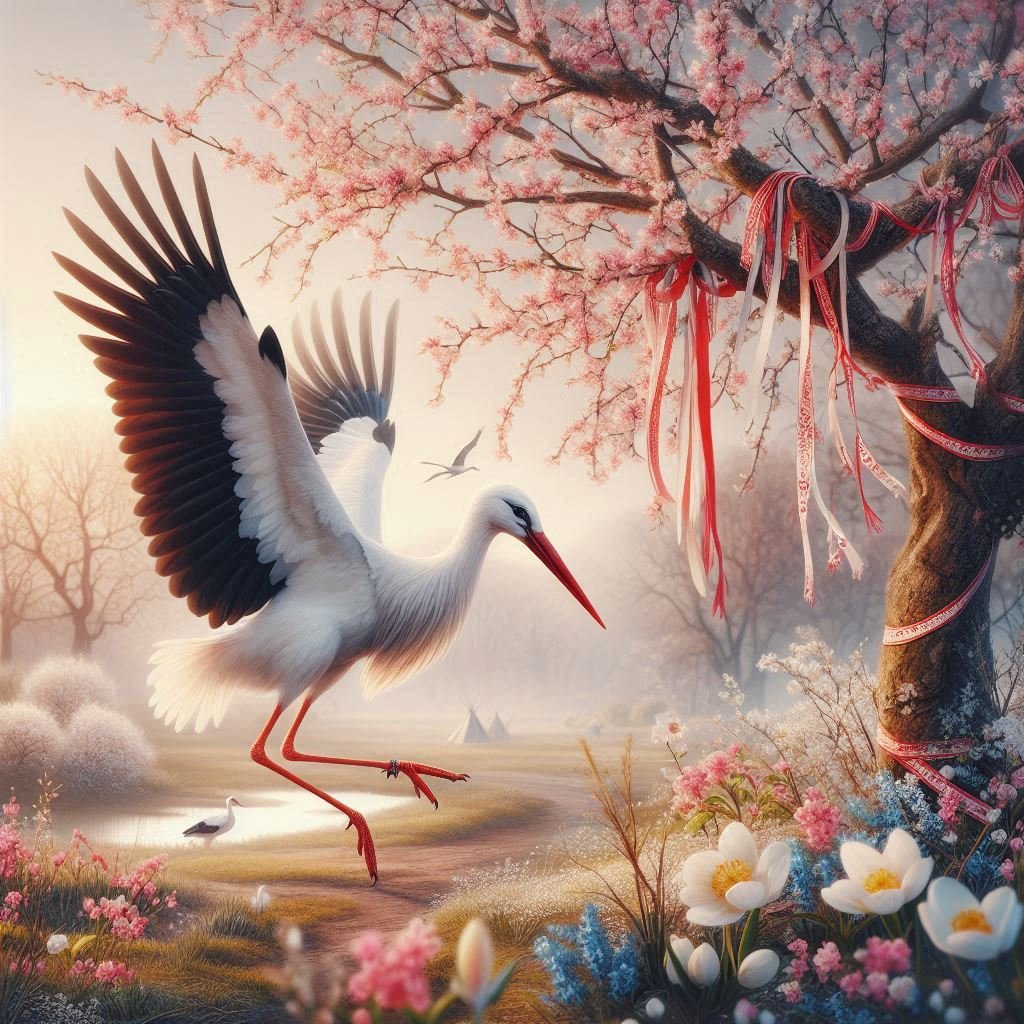
The tradition dictates that the Martenitsa is worn from March 1st until the wearer sees a tangible sign that spring has definitively arrived. This could be a blossoming fruit tree (like an apple or cherry), a stork, or the first swallow.
Upon seeing this herald, the wearer removes their Martenitsa. The final ritual involves tying it to the branch of a blossoming tree. This act completes the cycle: the talisman that protected the individual is now offered back to nature, carrying its wishes for health and luck to fertilize the new growth. Alternatively, some place it under a stone, believing a lizard (a symbol of regeneration) will take its blessing. (Baba Marta Day)
Zero Discrimination Day 1st March: Meaning, History, Importance, and How the World Can End Discrimination
Thus, the Martenitsa’s journey mirrors nature’s own, starting as a hopeful symbol on a person and concluding as a gift to the thriving, blossoming world it helped summon.
How and When to Wear a Martenitsa: A Ritual of Hope and Observation
The tradition of the Martenitsa is governed by specific, joyful customs that dictate not only how to wear it, but for how long. This period of wearing transforms the adornment from a simple gift into a personal, interactive ritual with nature.
How to Wear a Martenitsa: Connecting the Amulet to Yourself
The Martenitsa must be put on the body or attached to one’s personal belongings to activate its protective and lucky properties. It is a charm meant to be in close, constant contact with the wearer. The most common ways to display it are:
- On the Wrist: Tied as a bracelet, ensuring the red and white threads are visible throughout the day.
- Around the Neck: Worn as a necklace or a simple tied loop.
- Pinned to Clothing: Affixed near the heart, on a lapel, or on a sweater, often using the figurines of Pizho and Penda.
- Attached to Personal Items: Tied onto a handbag, backpack, or the zipper of a coat, especially popular among children or if work prevents wearing jewelry.
The act of putting it on is often accompanied by well-wishing phrases like “Chestita Baba Marta!” (“Happy Grandma March!”) or wishes for health and happiness.
The Duration: A Personalized Pact with Spring
The most unique and beautiful aspect of the tradition is its non-fixed end date. A Martenitsa is not removed after a set number of days. Instead, it is worn continuously from March 1st until the wearer personally witnesses a definitive, natural sign that spring has taken hold.
This turns everyone into an observer, eagerly scanning the environment for the agreed-upon heralds of the new season. The moment of removal is triggered by spotting:
- The First Returned Migratory Birds: A stork (a major symbol of luck and fertility in Bulgaria) or a swallow.
- The First Blossoms: A fruit tree in full bloom, most commonly an apple, cherry, or apricot tree.
- (In some regions) Other early signs like a blooming crocus or the sound of a cuckoo.
The Final Ritual: Returning the Blessing to Nature
The ritual does not end with simply taking the Martenitsa off. The final, crucial step is to dispose of it in a way that returns its energy to nature and completes the cycle of renewal. There are two primary traditional methods:
- Tying it to a Tree: This is the most common and symbolic practice during Baba Marta Day. The worn Martenitsa is tied to the branch of a flowering or budding tree. This act is seen as offering thanks to nature, feeding the tree with the amulet’s accumulated wishes for health and luck, thereby helping the spring to flourish.
- Placing it Under a Stone: In some areas, the Martenitsa is placed under a light stone. Folklore suggests that a lizard, an animal symbolizing regeneration and vitality, will later take the blessing for itself, continuing the chain of life.
What you should never do is simply throw a Martenitsa in the trash, as it is considered disrespectful to the tradition and to the goodwill it carried.
Thus, the life cycle of the Martenitsa beautifully mirrors the journey from winter’s end to spring’s triumph: received with hope, worn with patience, and released with gratitude back into the awakening world.
What Happens After Removing the Martenitsa? Completing the Cycle of Renewal
The removal of the Martenitsa is not the end of the tradition, but its climactic and most symbolic act. This final step is a ritual of reciprocity, where the talisman that has absorbed hopes and provided protection is returned to nature, transforming its energy into a blessing for the coming season. The method of disposal is as meaningful as the wearing itself.
Traditional Methods: Tying or Placing
There are two primary, time-honored ways to respectfully retire your Martenitsa, each rich with meaning:
- Tying to a Fruit Tree (The Most Common Practice) 🌳
- The Action: The worn Martenitsa is carefully tied to the branch of a fruit tree, preferably one that is blossoming or just beginning to bud.
- The Symbolism: This act represents a direct offering to nature and Baba Marta herself. It is believed that the tree absorbs the amulet’s accumulated wishes for health and luck, using that positive energy to produce abundant fruit. It completes a beautiful circle: the charm that helped summon spring now adorns and nourishes its very manifestation.
- Placing Under a Stone (The Practice of Divination) 🪨
- The Action: The Martenitsa is respectfully placed beneath a light, clean stone in a garden, park, or at the base of a tree.
- The Symbolism: This method connects to ancient beliefs about the earth’s transformative power. The stone acts as an altar, and the natural world beneath it becomes an oracle. The charm is left as an offering to the forces of nature, often with the hope that a lizard, a powerful symbol of regeneration and vitality in Balkan folklore, will find it and take its blessing, linking your fortune to this resilient creature.
The Act of Reading the Signs: A Folkloric Divination
The practice of placing the Martenitsa under a stone often includes a second, anticipatory ritual. After a period of time—a few days or weeks, people return to the spot to “read” what nature has revealed. The creatures found beneath the stone are interpreted as omens for the personal year ahead:
- Ants 🐜 → Prosperity and Abundance: Finding ants signifies a busy, fruitful year filled with activity, community, and material well-being. The hardworking ants mirror a prosperous harvest of efforts.
- Worms or Larvae → Hard Work Ahead: Discovering worms suggests a year where rewards will come, but only through dedicated effort, patience, and “digging deep.” It’s an omen of fruitful labor.
- Empty or with a Lizard → A Favorable Outcome: Finding the spot empty is often seen positively, indicating a calm, peaceful, and balanced year ahead. Most auspiciously, finding that a lizard has taken the thread is considered extremely lucky, symbolizing health, regeneration, and a direct connection to nature’s vitality.
The Spirit of the Ritual
These customs are a profound blend of animism, superstition, hope, and deep ecological symbolism. They reinforce the core philosophy of Baba Marta Day: that humans are not separate from, but in constant dialogue with, the natural world. By returning the Martenitsa to the earth or a tree, participants acknowledge their role in the cycle of seasons and express gratitude, closing the ritual with the same intention of harmony with which it began.
Important Note: Regardless of the method, the Martenitsa is never simply thrown in the trash. Such an act is considered deeply disrespectful, as it dismisses the goodwill, hope, and cultural significance woven into its very threads.
Baba Marta Day Traditions Across Regions: A Balkan Tapestry
While the heart of the tradition beats strongest in Bulgaria, the celebration of spring’s arrival with red and white tokens for Baba Marta Day spreads across the Balkans, weaving a regional tapestry with shared roots and beautiful local variations. Here’s how Baba Marta Day is observed in different cultures.
Bulgaria: The Heart of the Tradition
In Bulgaria, Baba Marta Day is a deeply ingrained national celebration, embraced with genuine enthusiasm by people of all ages. The country transforms on March 1st:
- A Sea of Red and White: Streets, shops, schools, and homes are adorned with red and white decorations. It’s common to see people with multiple Martenitsas on each wrist, received from different loved ones.
- Cultural Education: In schools, children learn to make Martenitsi by hand, twisting the woolen threads into bracelets and figurines, ensuring the craft is passed to the next generation.
- Vibrant Markets: In the days leading up to March 1st, markets and stalls overflow with thousands of intricate, handmade designs—from simple braids to elaborate dolls, flowers, and even modern interpretations featuring national symbols or cartoon characters.
Romania & Moldova: Mărțișorul
In Romania and Moldova, the day is known as Mărțișor (pronounced murtsee-shor), meaning “little March.”
- The Charm: While the symbolism is identical, the typical Mărțișor is often a small decorative charm (like a flower, heart, animal, or ladybug) attached to a red-and-white braided string. It is worn as a brooch pinned to clothing.
- Gifting Customs: It is traditionally given by men to women as a token of appreciation, respect, and well-wishing, though today it is exchanged widely among all.
- Official Recognition: Mărțișor is officially recognized as a cherished cultural tradition, with festivals and events celebrating the craft and its meanings.
North Macedonia, Greece & Albania: Regional Variations
In neighboring regions, the tradition blends with local spring folklore.
- North Macedonia (Mартинки): The celebration is very similar, known as “Мартинки” (Martinki). It is especially preserved in the western and northern regions, often intertwined with local legends and customs for health and fertility.
- Greece (Μάρτης): In parts of northern Greece (Thrace and Macedonia), the custom exists as “Μάρτης” (Martis). Children wear the red-and-white bracelet to protect their skin from the first strong spring sun, and it is removed when they see the first swallow or blossoming tree.
- Albania: In some areas, a similar tradition called “Verëza” is observed, also using red and white threads as a protective amulet for March.
Shared Threads, Local Patterns
Across all regions, the core elements remain powerfully consistent: the red and white colors symbolizing life and purity, the gifting for luck and health, and the ritual connection to the first signs of spring during Baba Marta Day. These variations show how a profound, ancient ritual adapts and thrives within different national fabrics, creating a beautiful, shared Balkan identity every first of March.
Baba Marta Day in Modern Times: An Ancient Tradition’s Vibrant New Life
Far from being a relic of the past, Baba Marta Day has demonstrated a remarkable ability to adapt and thrive in the contemporary world. It remains one of the most widely and authentically celebrated folk traditions in Bulgaria and among the diaspora, seamlessly weaving ancient symbolism into the fabric of modern life.
Contemporary Adaptations and Practices
While the core ritual remains sacred, new customs have emerged that reflect how people live today:
- Community and Workplace Rituals: The tradition has expanded into all spheres of social life. It is now commonplace to exchange Martenitsi with colleagues at workplaces and between students and teachers in schools, strengthening community bonds and sharing cultural pride.
- Digital Celebration: Social media platforms light up on March 1st with the hashtag #ЧеститаБабаМарта (#ChestitaBabaMarta). People post photos of their Martenitsas, share spring wishes, and participate in online challenges, creating a digital community of celebration that spans the globe.
- Fashion and Design: The Martenitsa has evolved into a stylish seasonal accessory. Beyond traditional wool, you can now find them made from leather, beads, silk, and even precious metals. Designers incorporate the red-and-white motif into jewelry, clothing, and accessories, allowing for personal expression while honoring the tradition.
- Cultural Events: Museums, cultural centers, and municipalities host special exhibitions, workshops, and festivals in late February and early March. These events educate younger generations, showcase the artistry of master craftspeople, and celebrate Bulgarian folklore through music and dance.
A Global Symbol of Identity
One of the most powerful testaments to the day’s enduring significance is its role in the diaspora.
- Bulgarians living abroad actively seek out or hand-make Martenitsas, organizing community gatherings to celebrate. For them, the ritual becomes a poignant and tangible connection to their homeland, a way to preserve identity and pass it on to their children in a foreign cultural context.
- This practice has transformed Baba Marta Day into a recognizable global symbol of Bulgarian heritage, fostering a sense of unity and shared roots across continents.
The Unchanging Core
Despite these modern expressions, the essence of the tradition remains beautifully intact. The act of gifting is still one of genuine care, the wearing of the threads is a personal commitment to hope, and the final act of tying it to a tree maintains that sacred dialogue with nature. Baba Marta Day in the 21st century proves that some traditions don’t fade; they simply find new threads to weave into their enduring pattern, ensuring that the wish for health, luck, and a swift spring continues for generations to come.
Cultural and Historical Significance: An Enduring Legacy from Antiquity to UNESCO
The enduring power of Baba Marta Day lies not only in its vibrant contemporary practice but in its profound historical roots and its formal recognition as a cornerstone of shared Balkan heritage.
Ancient Origins: Echoes from a Millennial Past
While pinpointing an exact origin is complex, scholars agree the tradition’s core symbolism stretches back over a millennium, deeply embedded in the pre-Christian beliefs of the region.
- Thracian and Pagan Roots: Many historians trace its origins to ancient Thracian or Slavic pagan rituals celebrating the spring equinox. The red-and-white colors and the focus on fertility, purification, and the appeasement of nature deities align with agricultural cycles vital to survival. The figure of Baba Marta herself is seen as a later, Christian-era personification of these much older forces governing seasonal renewal.
- A Ritual of Renewal: At its heart, the tradition has always been a ritualistic attempt to influence nature and ensure prosperity. The act of wearing a protective charm (the proto-Martenitsa) to mark the vulnerable transition from winter to spring reflects a universal human desire to harmonize with life’s fundamental cycles.
UNESCO Recognition: A Living Heritage for Humanity
A pivotal moment in the tradition’s modern history came in 2017. The Martenitsa/Mărțișor tradition was inscribed on the UNESCO Representative List of the Intangible Cultural Heritage of Humanity.
- A Shared Heritage: The inscription was a joint submission by Bulgaria, Romania, the Republic of Moldova, and North Macedonia, formally acknowledging the practice as a transnational cultural phenomenon that connects peoples across modern borders.
- Safeguarding the Future: UNESCO’s recognition is not merely an honor; it is a commitment. It highlights the tradition’s role in “promoting creativity, social cohesion, and continuity between generations,” and obligates the participating countries to actively safeguard and promote it.
- Global Cultural Value: This status affirms that Baba Marta Day is more than a local custom. It is identified as a significant practice that contributes to the world’s cultural diversity, showcasing how communities use ritual to express their relationship with nature and each other.
A Living Bridge Through Time
The UNESCO inscription perfectly captures the dual significance of Baba Marta Day: it is both deeply historical and dynamically alive. It is a tradition that has survived empires, political changes, and modernization by adapting its form while steadfastly preserving its core meaning, hope, health, and the joyful celebration of spring’s return. Each Martenitsa given today is a stitch in a cultural fabric woven over a thousand years, now proudly recognized as a treasure of human intangible heritage.
Why Baba Marta Day Still Matters Today: Timeless Values in a Modern World
In an era defined by digital screens, relentless pace, and often a sense of disconnection, Baba Marta Day stands as a powerful and poignant counterpoint. Its enduring relevance lies not in nostalgia, but in its active fulfillment of profound human needs that modernity often overlooks. This ancient spring ritual matters today because it consciously nurtures four essential pillars of well-being.
1. Reconnection with Nature’s Rhythms
In our climate-controlled lives, the subtle shift of seasons can become background noise. Baba Marta Day forces a pause and re-engagement with the natural world. The ritual of wearing the Martenitsa until you spot a stork or a blossom turns everyone into an active observer. It replaces passive weather updates with a personal, anticipatory relationship with spring, fostering environmental mindfulness and a sense of our place within a larger, living cycle.
2. A Collective Celebration of Hope and Renewal
The tradition is fundamentally an optimistic ritual. At a time of year that can still feel bleak, it institutes a collective day of wishing for health, luck, and new beginnings. Giving a Martenitsa is an act of saying, “I wish you vitality and goodness in the coming season.” This shared, public focus on positive intention and renewal provides a psychological boost, marking a clear, joyful transition from stagnation to growth, both in nature and in personal spirit.
3. Strengthening the Fabric of Community
The mandate to gift the Martenitsa is a masterclass in social bonding. It prompts connection across all layers of society—family, friends, colleagues, neighbors, and even strangers. In that simple exchange, hierarchies often soften, and a moment of shared cultural identity is created. It’s a low-pressure, high-impact social ritual that reaffirms care, strengthens communal ties, and fosters a tangible sense of belonging.
4. Active Preservation of Intangible Heritage
In a globalized world, maintaining cultural distinctiveness is both a challenge and a necessity. Baba Marta Day is not a performance for tourists; it is a living heritage practiced with authentic devotion. By teaching children to make Martenitsas, by sharing the story of Baba Marta, and by participating in the ritual, communities actively safeguard their unique identity. It’s a thread—literally and metaphorically, that connects generations, providing continuity and rootedness in a rapidly changing world.
The Modern Alchemy of a Simple Thread
Ultimately, the magic of Baba Marta Day lies in its elegant simplicity. The humble red-and-white thread becomes a modern talisman against disconnection. It is a wearable reminder that we are part of nature, part of a community, and part of a story much larger than ourselves. In a fast-paced, often fragmented world, this annual tradition offers a deeply human reset: a moment to hope collectively, connect intentionally, and celebrate the perpetual, reassuring return of spring. That is why it not only endures but truly matters.
FAQs About Baba Marta Day
Here are the most commonly asked questions about this beloved spring tradition, answered concisely to help you understand its significance and customs.
1. What is Baba Marta Day?
Baba Marta Day is a traditional folk celebration held annually on March 1, primarily in Bulgaria and across the Balkans, to welcome the arrival of spring. It centers around the figure of “Grandmother March” (Baba Marta), a folklore character who controls the late-winter weather, and the exchange of Martenitsa, red-and-white charms for health and luck.
2. What is a Martenitsa?
A Martenitsa is a handmade ornament crafted from intertwined red and white threads, often worn as a bracelet, necklace, or pinned to clothing. It symbolizes health, renewal, and protection, and is gifted to loved ones on March 1st.
3. Why are red and white colors used?
- Red symbolizes life, vitality, strength, and the sun.
- White represents purity, peace, light, and melting snow.
Together, they express the harmony between winter and spring, life and spirit, and the wish for balance in the new season.
4. When should a Martenitsa be removed?
A Martenitsa is worn from March 1st until the wearer observes a clear sign of spring’s arrival, such as:
- The first stork or swallow
- A fruit tree in blossom
- Other local natural signs (e.g., a blooming flower)
This makes the tradition personal and interactive with nature.
5. What do you do with the Martenitsa after removing it?
Traditionally, it is returned to nature to complete the cycle of renewal:
- Tied to a blossoming tree (most common)
- Placed under a stone (sometimes checked later for folk omens)
It should never be thrown in the trash, as it is considered disrespectful to the goodwill it carries.
6. Is Baba Marta Day a public holiday?
No, it is not an official public holiday in Bulgaria or other countries. However, it is widely celebrated as a major cultural event in schools, workplaces, and communities, with almost universal participation.
7. Is Baba Marta Day celebrated outside Bulgaria?
Yes! Similar traditions are observed under different names in:
- Romania & Moldova (Mărțișor)
- North Macedonia (Martinki)
- Parts of Greece, Albania, and Serbia
In 2017, the practice was inscribed by UNESCO as Intangible Cultural Heritage of Bulgaria, Romania, Moldova, and North Macedonia.
8. What is the UNESCO recognition for?
In 2017, the Martenitsa/Mărțișor tradition was added to UNESCO’s Representative List of the Intangible Cultural Heritage of Humanity. This acknowledges its value as a living cultural practice that promotes social cohesion, creativity, and continuity between generations across borders.
9. Can anyone wear or gift a Martenitsa?
Absolutely. The tradition is inclusive and welcoming. Giving a Martenitsa to friends, family, colleagues, or even visitors is a gesture of goodwill, making it a beautiful way to share in Bulgarian or Balkan culture and wish others well for spring.
10. How is Baba Marta Day celebrated in modern times?
While rooted in ancient ritual, modern celebrations include:
- Exchanging Martenitsi in offices and schools
- Posting photos and wishes on social media with #ЧеститаБабаМарта
- Cultural festivals, workshops, and exhibitions
- Wearing designer or fashion-forward Martenitsi as seasonal accessories
- Diaspora communities keeping the tradition alive worldwide
Conclusion
Baba Marta Day is more than a celebration of spring, it is a powerful reminder of humanity’s deep connection to nature, tradition, and community. Through the simple act of exchanging red and white Martenitsa, people express wishes for health, happiness, and renewal, keeping centuries-old folklore alive in everyday life.
As winter fades and nature awakens, Baba Marta Day invites everyone to embrace change with optimism and gratitude. Whether celebrated in Bulgaria or admired around the world, this tradition continues to unite generations through shared symbols, stories, and hope for brighter days ahead.
Preserving and sharing cultural celebrations like Baba Marta Day ensures that these meaningful traditions remain alive, just as spring itself returns year after year.