What is National Pig Day?
National Pig Day is celebrated annually on March 1st, dedicated to appreciating pigs in all their forms, from beloved pet pigs and therapy animals to their vital roles in farming and agriculture. This unique holiday highlights their remarkable intelligence, social charm, and the significant contributions they make to our ecosystems and food systems. Beyond their association with pork products, the day is rooted in animal awareness, offering a chance to focus on pig welfare, ethical farming, and the growing trend of miniature pigs as companion animals.
The observance serves as an engaging opportunity for education and advocacy. Families, schools, and animal sanctuaries often use the day to teach about responsible pet ownership, sustainable agriculture, and the cognitive abilities of pigs. By fostering a deeper understanding of these complex creatures, National Pig Day encourages respect for farm animals and supports the broader movement toward compassionate and humane treatment of all animals.
History of National Pig Day
National Pig Day was founded in 1972 by sisters Margo (Dodd) Wolf and Mary Lynne Rave in the United States, specifically emerging from Lubbock, Texas. Motivated by a deep affection for animals and a desire to challenge common misconceptions, their mission was clear: to establish a day that recognized pigs not merely as livestock or sources of food, but as intelligent, sensitive, and social animals worthy of recognition and respect.
From its humble, grassroots beginnings, the holiday has steadily grown in scope and popularity over five decades. The sisters actively promoted the day through local media and community events, emphasizing themes of animal appreciation and education. Their efforts resonated widely, and observance of National Pig Day gradually spread beyond Texas. Today, it is celebrated nationwide by a diverse range of groups, including schools, libraries, animal sanctuaries, farms, and petting zoos.
These celebrations often feature educational programs about pig behavior and care, arts and crafts projects, story times, and visits with therapy pigs or resident sanctuary pigs. The day has also been embraced by pet pig owners and advocates, highlighting the growing trend of miniature and potbellied pigs as companion animals. By fostering fun, interactive, and informative activities, National Pig Day successfully honors the founders’ original vision, elevating public perception and encouraging a more thoughtful appreciation for these remarkable creatures.
Why Do We Celebrate National Pig Day?
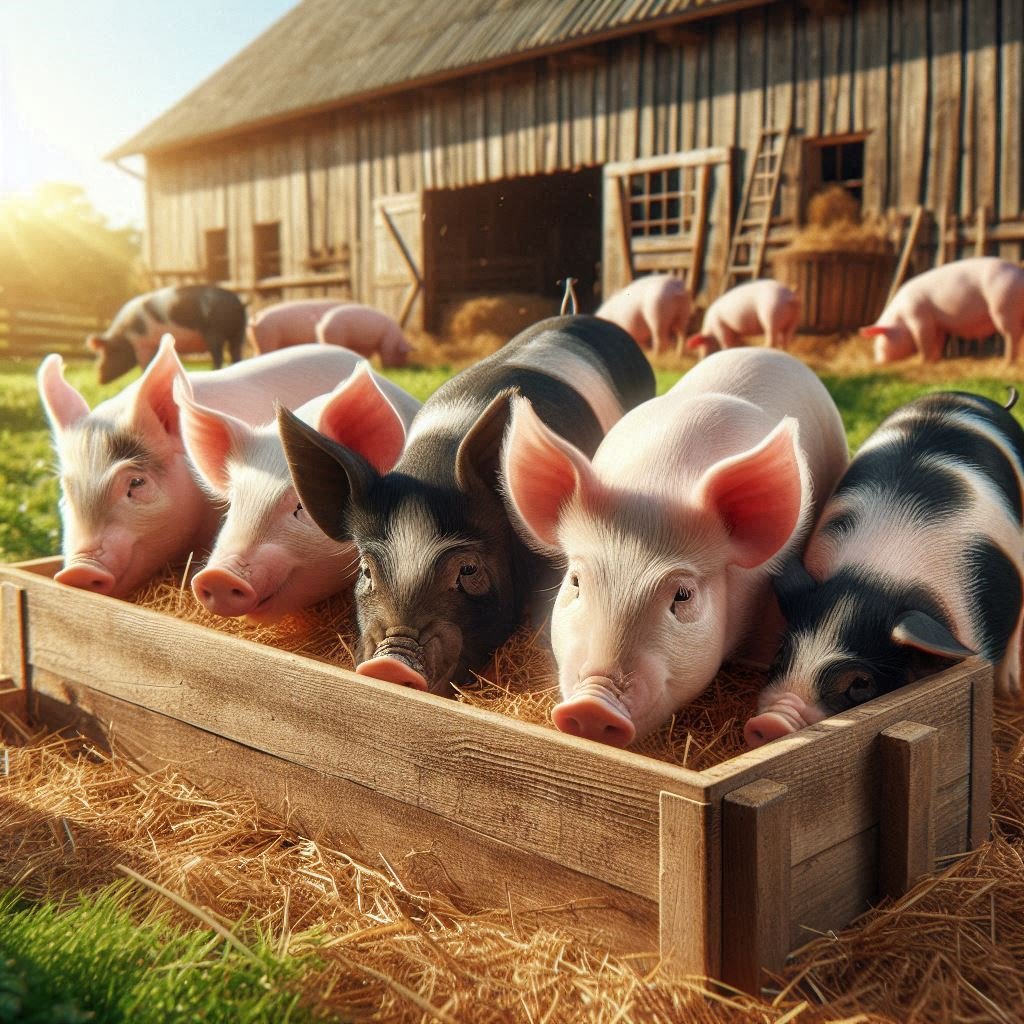
National Pig Day is celebrated to honor the pig’s remarkable and often overlooked qualities, elevating them beyond their common perception as mere livestock. This observance emphasizes their multifaceted role in society and highlights why they deserve recognition and respect. Pigs are incredibly intelligent, emotionally complex, and socially sophisticated animals whose contributions extend far beyond the farm.
We celebrate National Pig Day to specifically acknowledge:
- Exceptional Intelligence: Research has shown that pigs possess cognitive abilities surpassing those of dogs and even some primates. They are capable of learning complex tasks, solving puzzles, recognizing their own names, and exhibiting strong long-term memory. Some pigs have even been taught to use joysticks to play simple video games, demonstrating remarkable problem-solving skills.
- Social and Emotional Depth: Pigs are highly social animals that form deep bonds with both their peers and human caretakers. They communicate using a variety of vocalizations, exhibit empathy, and can experience emotions such as joy, excitement, and distress. Their need for social interaction and mental stimulation makes them complex companions.
- Agricultural and Economic Contributions: For millennia, pigs have been vital to human agriculture, providing sustainable sources of meat (pork), leather, medical products (like insulin and heart valves), and fertilizer. Their efficient conversion of feed into protein has supported communities worldwide.
- Growing Role as Companions: The rise of miniature pig breeds, such as potbellied pigs, has introduced pigs into homes as beloved pets. Known for their cleanliness, trainability, and affectionate personalities, these “house pigs” have fostered a greater public appreciation for swine as individual creatures with unique needs and charms.
Ultimately, National Pig Day serves as an educational platform to promote animal welfare, responsible pet ownership, and ethical farming practices. It encourages a shift in perspective, from seeing pigs simply as commodities to valuing them as sentient beings with intrinsic worth.
Fun Facts About Pigs
Here are some amazing and surprising facts about pigs that highlight their unique nature:
- Remarkable Intelligence: Pigs are considered one of the smartest domesticated animals, often compared to dogs and dolphins in cognitive ability. They are skilled problem solvers, can learn complex commands and tricks, and have even been observed using tools in controlled environments.
- Exceptional Memory: Pigs possess excellent long-term memory, allowing them to remember specific locations, recognize individual humans and other animals even after years of separation, and recall learned behaviors with ease.
- Complex Communication: Pigs use a rich vocabulary of sounds, including grunts, oinks, squeals, and barks, to communicate different emotions and intentions. They also rely heavily on body language, such as ear position and tail wagging, to express mood and social cues.
- Natural Cleanliness: Contrary to the stereotype of being dirty, pigs are inherently clean animals. When given adequate space, they will designate a specific area far from their sleeping and eating spots for waste, much like many other intelligent animals.
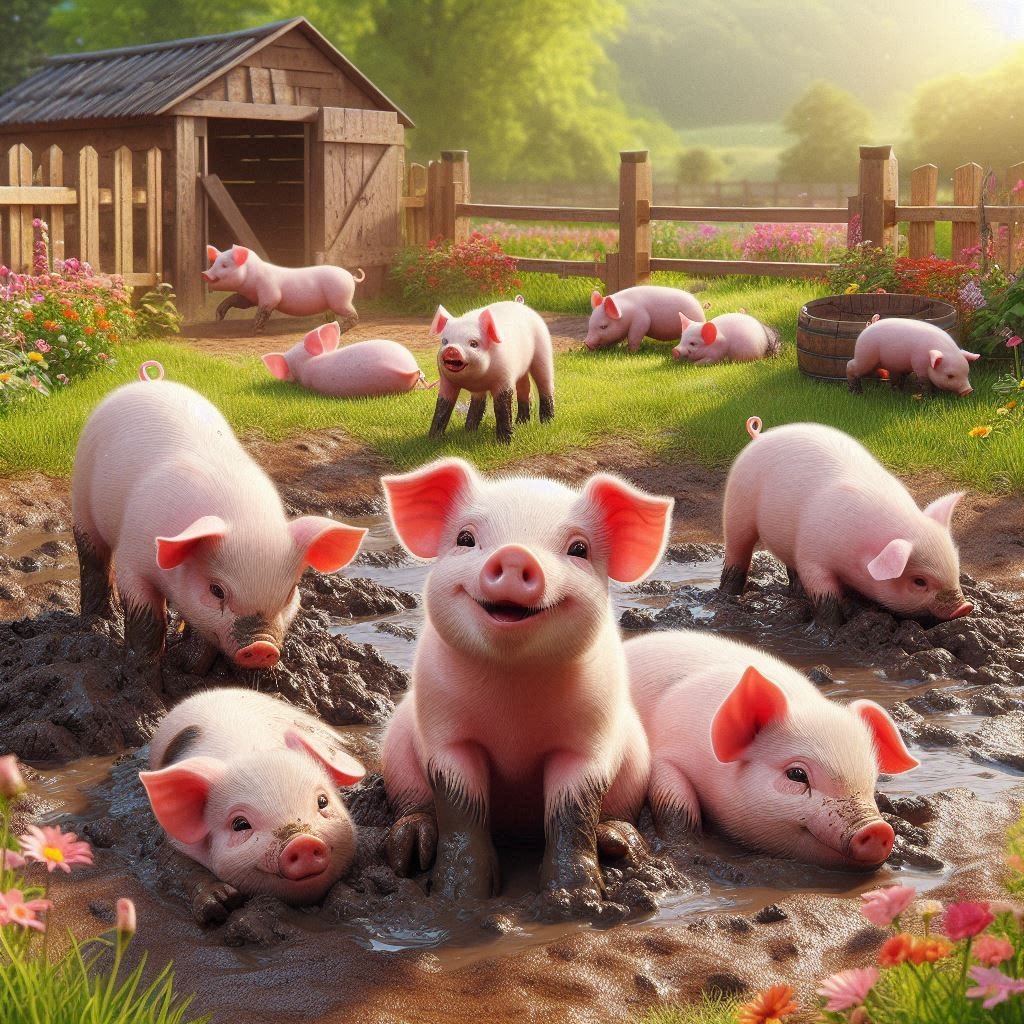
- Mud as Sunscreen and Insect Repellent: Pigs lack efficient sweat glands, making them prone to overheating. Rolling in mud serves as a vital cooling mechanism. The mud also acts as a protective layer against sunburn and biting insects, showcasing their natural adaptability.
How to Celebrate National Pig Day?
National Pig Day is a wonderful opportunity to engage in fun, meaningful, and educational activities that honor these intelligent animals. Whether you’re an animal lover, educator, parent, or simply curious, here are several ways to participate in the celebration:
- Visit a Farm, Sanctuary, or Petting Zoo
Many local farms, animal sanctuaries, and petting zoos host special events or open houses for National Pig Day. This is a fantastic way to see pigs up close, learn about their care, and support ethical animal tourism. It’s especially meaningful for children to interact with pigs in a respectful setting and understand where their food comes from or how rescued pigs live. - Host a Pig-Themed Gathering
Throw a pig-themed party or a cozy family dinner with decorations, games, and treats. Ideas include:- Food: Pig-shaped cookies or cupcakes, mini sliders, or a “build-your-own” baked potato bar (pigs love root vegetables!).
- Activities: Pin the tail on the pig, a “pig trivia” quiz, or watching a family-friendly film featuring pigs, such as Babe or Charlotte’s Web.
- Engage in Educational Activities
Use the day as a learning opportunity. Teachers and parents can:- Read books or watch documentaries about pigs.
- Discuss pig intelligence, social structures, and their role in ecosystems and agriculture.
- Explore topics like animal welfare, sustainable farming, or the differences between farm pigs and pet pigs.
- Support Pig Welfare Organizations
Consider donating to or volunteering with a reputable animal rescue or sanctuary that cares for pigs. You can also sponsor a pig, fundraise for sanctuaries, or spread awareness about adopting, not buying, pet pigs, emphasizing the commitment they require. - Creative Expression and Social Media
Get creative by drawing, painting, or crafting pig-themed art. Share your creations, photos of pig encounters, or educational messages on social media using popular hashtags like #NationalPigDay, #PigLove, and #CelebratePigs. Your posts can help raise awareness and connect with a community of pig enthusiasts. - Dress Up and Have Fun
If you have a pet pig (or a pet who doesn’t mind dressing up!), celebrate with a cute outfit or a themed photoshoot. For those without a pig companion, wearing pig-themed clothing or accessories is a playful way to join in the spirit of the day.
No matter how you choose to celebrate, the goal is to foster appreciation, promote compassion, and enjoy the delightful presence of pigs in our world.
Pigs as Pets: What to Consider Before Bringing One Home?
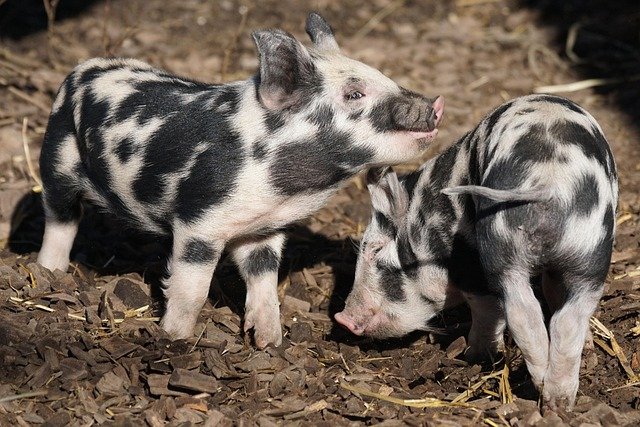
In recent years, pigs, especially breeds marketed as mini pigs, micro pigs, or potbellied pigs—have gained popularity as unique and affectionate companion animals. Known for their intelligence, emotional depth, and ability to bond closely with humans, pigs can make engaging pets for the right household. However, potential owners must understand that pigs are not low-maintenance animals and require specialized, long-term care.
Important Considerations for Pig Ownership
Before deciding to adopt a pig, it’s essential to research thoroughly and be prepared for a commitment that can span 15–20 years, the typical lifespan of a well-cared-for pig. Key factors to consider include:
- Realistic Size Expectations: Many “teacup” or “mini” pigs grow much larger than anticipated, often reaching 60–150 pounds or more, depending on genetics and diet. There is no breed of pig that remains truly tiny.
- Housing and Space Needs: Pigs need ample indoor and outdoor space. They are not suited to small apartments or homes without secure outdoor access. A safe, enclosed yard for rooting and exploring is ideal.
- Diet and Nutrition: Pigs require a balanced, species-appropriate diet, typically high-fiber, low-calorie pig pellets supplemented with fresh vegetables, to prevent obesity and related health issues. Treats must be given sparingly.
- Mental and Physical Enrichment: Due to their high intelligence, pigs need mental stimulation through puzzle toys, training sessions, and environmental exploration. Without it, they can become bored and destructive.
- Socialization and Training: Pigs are social animals and thrive with consistent interaction, positive reinforcement training, and early socialization with people and other pets. They can be litter-trained and learn commands quickly.
- Legal and Zoning Restrictions: Many cities and housing communities have regulations or outright bans on keeping pigs as pets. Always check local ordinances and homeowner association rules beforehand.
- Veterinary Care: Locating a veterinarian experienced with pigs is crucial. Routine care, vaccinations, hoof trims, and potential spaying/neutering are necessary for their well-being.
Is a Pet Pig Right for You?
Owning a pig can be an incredibly rewarding experience for those prepared to meet their complex needs. However, due to misinformation about their size and care requirements, many pigs end up in rescues. If you’re committed to providing a lifelong home, consider adopting from a reputable pig rescue organization rather than purchasing from a breeder.
For those who love pigs but cannot commit to ownership, supporting sanctuaries, volunteering, or sponsoring a rescued pig are wonderful alternatives. Whether as a companion or a cause to support, pigs continue to captivate hearts with their charm, intellect, and undeniable personality.
National Pig Day Around the World
While National Pig Day originated and is most widely recognized in the United States, appreciation for pigs and celebrations in their honor can be found across cultures worldwide. These observances often blend local tradition, agricultural heritage, and a shared recognition of the pig’s role in society. From festive events to educational initiatives, here’s how pig appreciation takes shape globally.
Agricultural and Community Celebrations
In many countries, pigs are central to agricultural life and rural culture. This is reflected in events such as:
- Agricultural Fairs and Livestock Shows: In places like the United Kingdom, Canada, Australia, and across Europe, major agricultural fairs often feature pig competitions, showcasing prized breeds and judging based on health, conformation, and husbandry standards.
- Harvest and Food Festivals: Numerous cultures hold festivals where pork-based cuisine is celebrated. Examples include Germany’s numerous regional Schweinefest (pig festivals) and the Fête du Cochon in parts of France, which honor traditional pig farming and butchering customs.
Cultural and Religious Significance
Pigs hold varied symbolic meanings around the world, leading to unique cultural celebrations:
- Chinese Zodiac & New Year: The Year of the Pig in the Chinese zodiac is celebrated with special fervor every 12 years, symbolizing wealth, diligence, and good fortune. Festivities include decorations, gifts, and foods featuring pig motifs.
- Historical and Folk Traditions: In some regions, pigs are part of folk celebrations. For instance, in Sweden, the Julbock (Yule Goat) sometimes shares the stage with the Julgris (Christmas pig) in holiday imagery, representing festive abundance.
Educational and Welfare-Focused Initiatives
Global animal welfare and sustainable farming movements have adopted themes similar to National Pig Day:
- Educational Workshops: Organizations in the UK, EU, and elsewhere host events focused on pig intelligence, ethical farming practices, and animal welfare science, often coinciding with broader campaigns like “World Farm Animals Day.”
- Sanctuary Open Days: Pig sanctuaries worldwide, from the UK’s “Hillside Animal Sanctuary” to sanctuaries in Australia and South Africa, often hold public open days to educate visitors about rescue pigs and promote compassionate living.
While not all these events fall on March 1st, they collectively contribute to a growing international consciousness about pigs, not just as livestock, but as intelligent beings integral to our global agricultural heritage and cultural stories. This worldwide engagement underscores a universal, if diverse, appreciation for one of humanity’s oldest and most significant animal companions.
Pig-Related Foods: A Thoughtful Appreciation
While National Pig Day emphasizes respect and recognition for the living animal, it also provides an opportunity to thoughtfully acknowledge the significant role pigs have played in global food cultures for millennia. The culinary contributions of pigs are vast and varied, forming a cornerstone of many traditional diets and festive cuisines. Observing this aspect of the day can be done in a way that balances enjoyment with mindfulness.
Popular Pig-Derived Foods
On this day, many people incorporate pork-based dishes into their celebrations as a nod to this agricultural contribution. Common favorites include:
- Breakfast Classics: Bacon and ham, often enjoyed in moderation as part of a special meal.
- Hearty Main Dishes: Pulled pork, pork chops, tenderloin, and a wide array of sausages and ribs.
- International Specialties: Dishes like Italian prosciutto, Spanish chorizo, German schnitzel, and Chinese char siu.
Celebrating with Creativity and Respect
A key theme of National Pig Day is conscious appreciation. This can be reflected in food choices through:
- Mindful Sourcing: Choosing pork products from local farms or suppliers known for high animal welfare standards and sustainable practices.
- Creative, Pig-Themed Treats: For a festive and inclusive option, many opt for pig-shaped cookies, cakes, or snacks, which are especially popular with children at parties and school events.
- Educational Moments: Using mealtime as a chance to discuss where food comes from, the journey from farm to table, and the importance of respecting the animals that provide for us.
This balanced approach allows for a celebration that honors the pig’s life and contribution, encouraging gratitude and responsible consumption rather than thoughtless indulgence. It aligns the day’s festivities with a deeper message of respect for the animal in all its roles, as a cherished creature, a companion, and a historical contributor to human sustenance.
Educational Importance of National Pig Day
National Pig Day serves as a powerful and engaging educational tool, offering unique opportunities to teach important concepts about biology, ethics, sustainability, and food systems. By focusing on a single, fascinating animal, educators can spark curiosity and impart valuable lessons that extend far beyond the classroom.
Key Learning Opportunities
The day is ideally suited for highlighting interdisciplinary topics in an accessible way:
- Animal Intelligence and Behavior: Lessons can delve into the cognitive abilities of pigs, using studies that show their problem-solving skills, emotional capacity, and social structures. This challenges common stereotypes and fosters a sense of wonder for animal minds.
- Responsible Animal Welfare: It provides a concrete platform to discuss the ethical treatment of farm animals. Students can learn about the needs of pigs in different settings, from sanctuaries to farms, and the importance of the Five Freedoms (freedom from hunger, discomfort, pain, fear, and the freedom to express normal behavior).
- Sustainable Agriculture and Food Origins: The day is an excellent entry point to explore where our food comes from. Discussions can compare different farming models (industrial vs. pasture-based), examine the concept of farm-to-table, and highlight the role of pigs in sustainable systems, such as their use in rotational grazing and waste management.
- Environmental Stewardship: The impact of animal agriculture on land, water, and climate can be introduced at an age-appropriate level, encouraging critical thinking about our choices and their ecological footprints.
Classroom and Home Activities
Educators and parents often leverage National Pig Day with hands-on projects:
- Research Projects: Students can investigate specific pig breeds, their habitats, or their historical significance in different cultures.
- Creative Assignments: Writing stories from a pig’s perspective, creating informative posters, or building dioramas of humane habitats.
- Guest Speakers and Virtual Tours: Inviting a local farmer, veterinarian, or sanctuary operator to speak, or taking a virtual tour of an ethical farm or animal rescue.
- Comparative Biology: Studying the anatomy and physiology of pigs and drawing connections to other mammals, including humans.
By transforming the pig from a simple farm icon into a subject of study and respect, National Pig Day cultivates empathy, critical thinking, and informed citizenship. It helps shape a generation that is more conscious of the interconnectedness of animals, people, and the planet.
FAQs About National Pig Day
Q1: When is National Pig Day celebrated?
A: National Pig Day is observed annually on March 1st in the United States.
Q2: Who created National Pig Day?
A: The holiday was founded in 1972 by sisters Margo (Dodd) Wolf and Mary Lynne Rave, who wanted to celebrate pigs as intelligent, social creatures deserving of recognition.
Q3: Why do we celebrate pigs?
A: Pigs are celebrated for their high intelligence, emotional complexity, significant role in agriculture, and growing popularity as companion animals. National Pig Day also promotes animal welfare awareness, sustainable farming, and respect for all living creatures.
Q4: Can pigs be kept as pets?
A: Yes. Breeds like potbellied and mini pigs can be kept as pets, but they require significant commitment, specialized care, ample space, proper diet, mental enrichment, and access to a veterinarian experienced with pigs. Potential owners should thoroughly research and consider adoption from a reputable rescue.
Q5: How can I celebrate National Pig Day at home?
A: You can:
- Visit a local farm, sanctuary, or petting zoo.
- Host a National Pig Day party with educational games and treats.
- Share interesting pig facts or support pig welfare organizations on social media using hashtags like #NationalPigDay.
- Engage in family-friendly activities like reading pig-themed books or watching documentaries.
The Little Rock Zoo in Arkansas proudly celebrates National Pig Day each March 1st with engaging, family-friendly activities. Visitors can enjoy special keeper talks about the zoo’s resident pigs, learn fascinating facts about their intelligence and care, and sometimes even meet a pig up close. The celebration highlights the zoo’s commitment to animal education and conservation, offering a wonderful opportunity for guests to appreciate these remarkable animals in a fun and informative setting.
Conclusion
National Pig Day is more than a whimsical holiday, it’s a meaningful celebration of intelligence, charm, and the essential role pigs play in agriculture, ecology, and our homes. By fostering appreciation for these complex animals, the day encourages thoughtful conversations about animal welfare, sustainable living, and the connection between our food choices and the creatures we rely on.
Whether you visit a farm sanctuary, share fascinating pig facts online, support ethical pig farming, or simply enjoy a pig-themed treat with gratitude, March 1st offers a special moment to pause and honor these remarkable beings. So don’t forget to snap a photo, tell a story, or spread the word, #NationalPigDay isn’t just about pigs; it’s about cultivating kindness, curiosity, and respect for all living things.